Every receipt tells a small story about what guests choose, when they visit, and how they spend. Over time, those stories add up to patterns that shape a restaurant’s performance. POS data analytics helps turn raw transaction records into insights that are easier to understand and use. Instead of scanning endless sales reports, it allows daily activity to be viewed from a broader perspective.
From Transactions to Trends
At the register, each order feels like a single moment. When collected over weeks and months, those transactions reveal which dishes perform consistently and which fluctuate with season or timing. Thoughtful use of real time restaurant analytics makes it possible to notice shifts as they happen rather than waiting for monthly summaries. A sudden drop in sales of a popular item may signal supply issues or changing guest preferences.
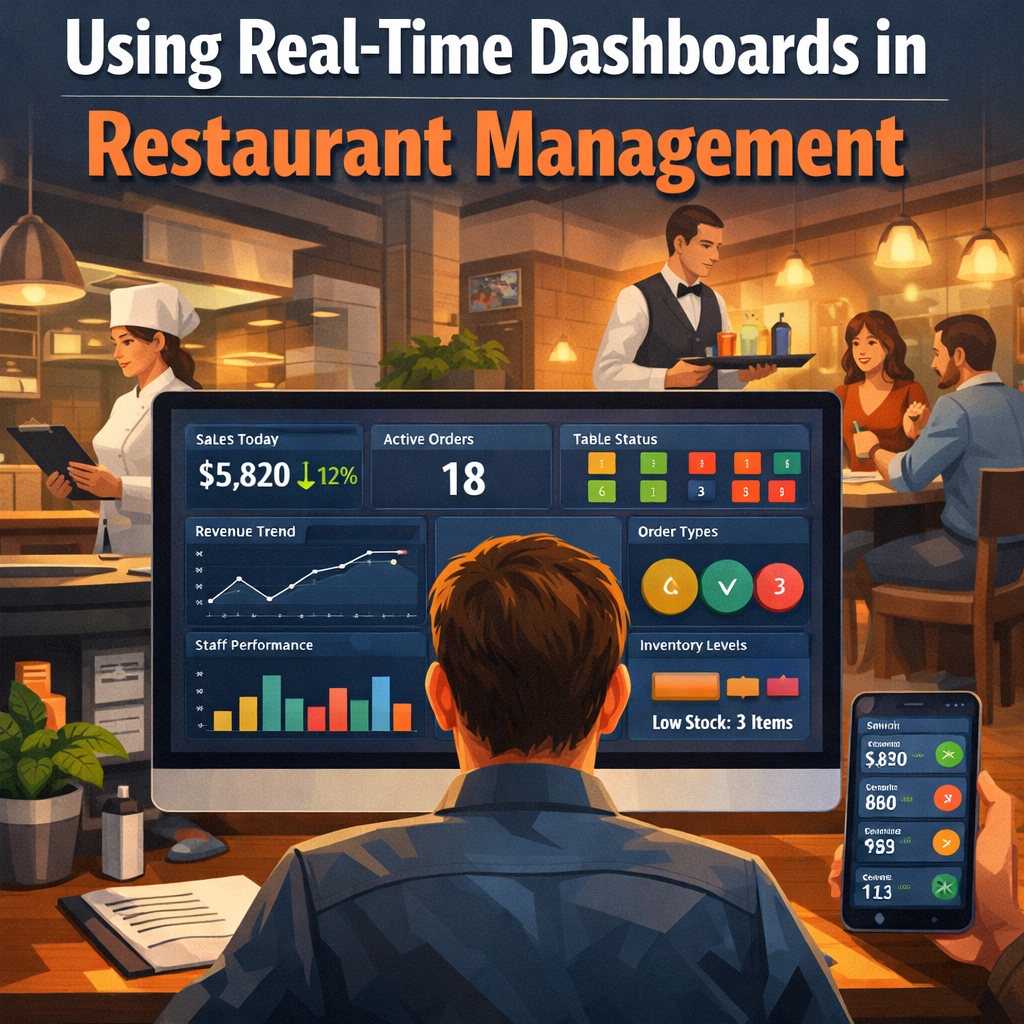
Clarity often improves when information is displayed visually. Simple restaurant dashboard software can gather figures from the point-of-sale system and present them in a way that highlights patterns. Instead of searching through detailed spreadsheets, managers see clear summaries of revenue, average checks, and peak hours. This kind of overview reduces guesswork and supports quicker adjustments.
Watching Performance as It Happens
Sales numbers change throughout the day. Careful live sales tracking provides insight into how lunch differs from dinner or how weekends compare to weekdays. Observing these fluctuations in near real time helps align staffing and inventory decisions more effectively. Small timing adjustments can make a noticeable difference in both service flow and profitability.
A well-organized restaurant reporting dashboard adds structure to that process. By combining daily totals, category breakdowns, and time-based comparisons, it offers a more complete picture. Patterns become easier to recognize when information is grouped logically rather than scattered across separate reports. This consistency builds confidence in decision-making over time.
Connecting Data to Daily Decisions
Beyond surface-level totals, deeper POS data analytics can reveal how menu changes influence spending. A slight shift in pricing or presentation may alter ordering patterns in ways that are not obvious at first glance. Studying these relationships helps identify connections between guest behavior and revenue trends. Gradual refinement based on actual data often proves more reliable than relying on instinct alone.
Consistency remains essential. Regular review of point-of-sale insights encourages steady improvement rather than reactive changes. When sales data is interpreted carefully, it becomes a practical guide for menu adjustments, scheduling, and inventory planning.
Behind every successful service lies a clear understanding of what guests are choosing and when. POS data analytics transforms everyday transactions into meaningful insights that support balanced decisions. By observing trends, tracking performance in real time, and reviewing structured reports, restaurants gain a clearer view of how daily actions shape long-term results.