Restaurant pricing has traditionally been fixed, printed once and left unchanged for months. Yet demand rarely stays constant throughout the week. dynamic pricing restaurant approaches recognize that customer flow, time of day, and reservation patterns all influence revenue potential. Adjusting prices carefully based on demand can create balance without disrupting the guest experience.
Timing and Demand
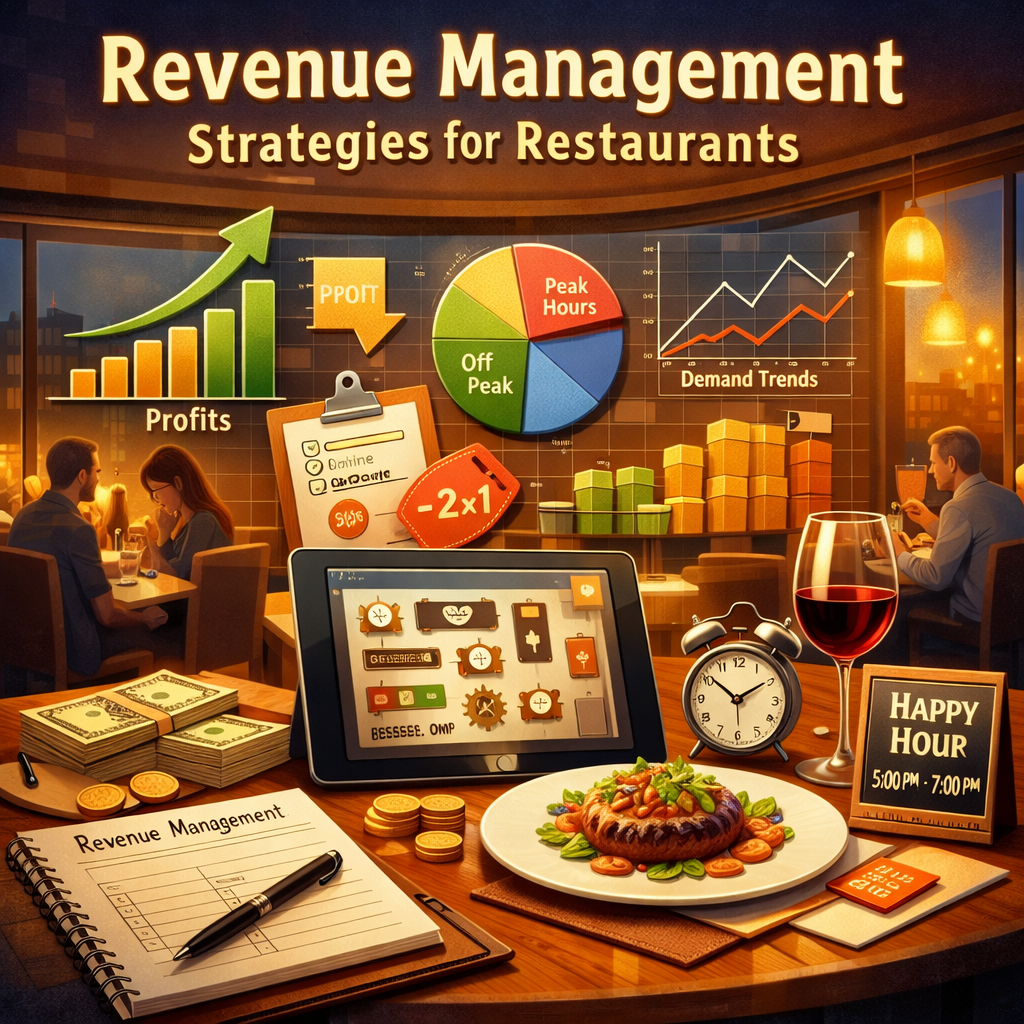
Weekends often look very different from weekday afternoons. During high-demand periods, thoughtful peak hour pricing can reflect the increased value of limited seating. This approach does not mean raising prices dramatically, but rather adjusting them in proportion to demand. When handled subtly, guests are less likely to feel a sudden shift.
Insight often begins with reservation analytics, which reveal booking trends across days and time slots. Patterns in cancellations, no-shows, and early bookings help predict busy periods. Understanding these rhythms allows pricing to align more closely with real demand. Over time, predictable peaks and valleys become easier to manage.
Measuring the Impact on Revenue
Revenue growth is not only about filling tables. Tracking average revenue per seat offers a clearer sense of how effectively space is used during each service period. A fully booked evening may still underperform if spending per guest remains low. Viewing revenue through this lens encourages smarter adjustments in both pricing and menu structure.
Within a broader yield management restaurant perspective, the focus shifts to maximizing the value of limited seating capacity. Restaurants, like hotels or airlines, operate with finite inventory in the form of tables and time slots. Adjusting prices in response to demand helps ensure that peak periods generate stronger returns while quieter times remain attractive.
Balancing Strategy and Experience
Careful implementation matters more than the concept itself. A thoughtful sales optimization strategy considers how guests perceive value and fairness. Transparent communication and gradual adjustments help maintain trust. Pricing changes that feel sudden or unexplained can quickly affect reputation.
When approached steadily, dynamic pricing restaurant methods blend data with sensitivity. Instead of reacting impulsively to slow days or crowded nights, decisions are guided by patterns and long-term goals. The result is a pricing structure that adapts to real demand while preserving a consistent dining experience.
Restaurants operate within limited time and space, making pricing decisions especially meaningful. dynamic pricing restaurant strategies connect demand patterns with revenue potential in a balanced way. By observing reservations, seat performance, and guest response together, it becomes possible to adjust thoughtfully without sacrificing trust or stability.