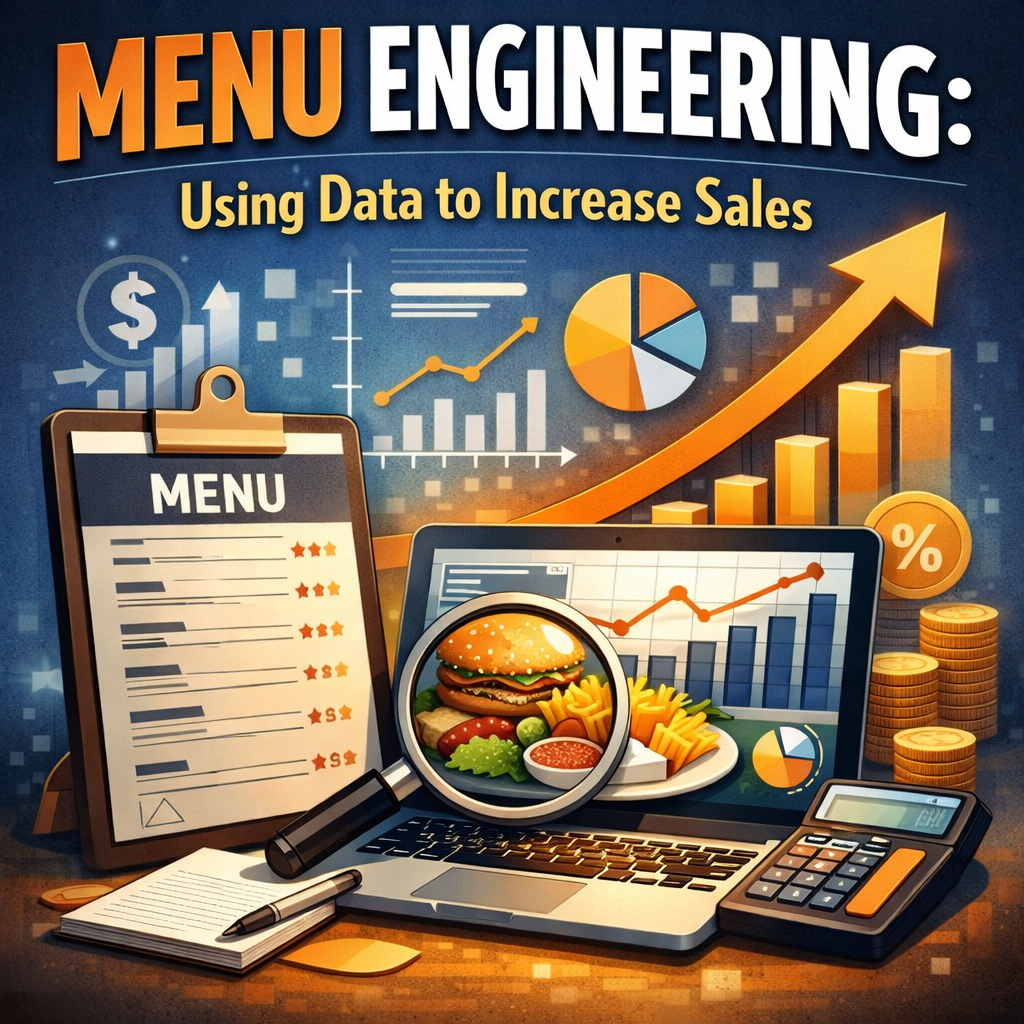
A restaurant menu may look simple on the surface, but behind it lies careful thinking and constant adjustment. menu engineering focuses on understanding which dishes attract guests, which generate solid returns, and how layout influences choices. Instead of guessing what works, this approach connects numbers with real behavior. When done thoughtfully, it transforms a static list of dishes into a practical decision-making tool.
Looking at Costs Before Creativity
Every dish begins with ingredients, and each ingredient carries a cost. Careful food cost analysis helps reveal whether a popular plate truly contributes to earnings or simply keeps the kitchen busy. A recipe that looks impressive might consume expensive components that quietly shrink returns. By calculating the actual expense of each portion, patterns start to emerge that are easy to overlook during a busy service.
Understanding menu profitability requires comparing cost with actual sales performance. A dish with moderate sales but strong margins may be more valuable than a bestseller with thin returns. Balancing popularity and cost gives a clearer picture of which items deserve a stronger presence on the menu. Over time, these comparisons guide smarter decisions about what to adjust, improve, or replace.
Using Sales Data to Shape Decisions
Guest preferences leave traces in numbers. Regularly reviewing menu sales data highlights which dishes consistently perform and which rarely leave the kitchen. Trends may shift with seasons, local events, or even small design changes on the printed page. Paying attention to these signals helps refine descriptions, placement, and portion sizes.
Pricing plays a subtle yet powerful role in perception. A thoughtful menu pricing strategy considers not only ingredient costs but also guest expectations and overall positioning. Small adjustments can influence ordering patterns without drawing attention to the change. When pricing aligns with value and presentation, decisions feel natural to guests rather than forced.
Highlighting the Right Dishes
Visual layout and wording often guide choices more than people realize. Emphasizing high margin menu items through placement, descriptive language, or simple formatting can gently steer attention without being obvious. Items positioned in natural reading zones tend to receive more focus, even if guests do not consciously notice it. The goal is not manipulation but clarity about what the menu wants to showcase.
This is where menu engineering becomes practical rather than theoretical. It blends cost awareness, pricing logic, and real sales behavior into everyday adjustments. Instead of redesigning everything at once, gradual changes allow patterns to be observed and understood. Over time, the menu evolves into a balanced mix of guest favorites and financially sustainable choices.
Behind every well-performing menu lies careful observation and steady refinement. menu engineering connects creativity with numbers, helping ensure that popularity and profitability move in the same direction. By reviewing costs, pricing, and real sales patterns together, a restaurant gains a clearer understanding of how each dish contributes to the bigger picture.