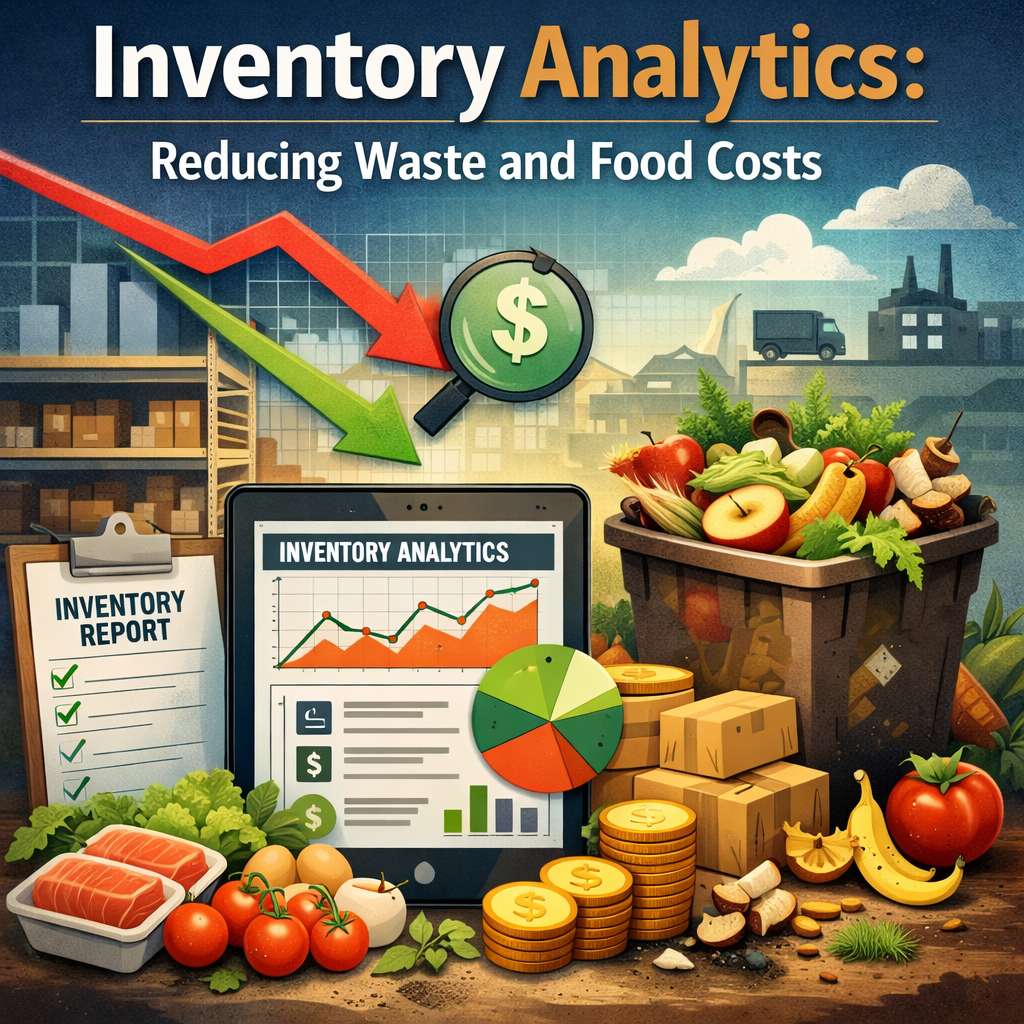
Every busy kitchen faces the same quiet challenge: ingredients that never make it to the plate. food waste reduction is not only about being environmentally conscious; it also directly affects daily operations and long-term stability. When ingredients are managed thoughtfully, both the kitchen and the budget feel more balanced. Small, consistent adjustments often create a noticeable difference over time.
Understanding Where Waste Begins
Spoilage rarely happens by accident. Overordering, inconsistent prep habits, or unclear portion control can gradually increase losses without anyone noticing right away. Paying attention to stock level optimization helps ensure that ingredients match realistic demand instead of optimistic estimates. When purchasing aligns with actual usage, refrigerators and storage shelves stay organized rather than overloaded.
Another useful perspective comes from reviewing the inventory turnover ratio. This number shows how quickly products move through storage before being replaced. A slow turnover may signal that certain items are ordered too frequently or in larger quantities than necessary. Watching this pattern closely makes it easier to prevent ingredients from aging out before they are used.
Linking Waste to Financial Health
Reducing discarded food has a direct connection to food cost control. Every unused portion represents money that cannot be recovered. By comparing purchasing records with actual plate output, discrepancies become easier to spot. Over time, tighter alignment between buying and serving improves margins without requiring dramatic menu changes.
Broader insight can also come from restaurant supply chain analytics, which examines supplier timing, order frequency, and delivery consistency. Delays or bulk purchasing incentives may seem convenient at first, yet they can quietly increase spoilage. Looking at supply patterns alongside usage data helps identify more balanced ordering cycles. When supply decisions support real kitchen rhythms, waste naturally decreases.
Tracking Waste Without Guesswork
Clear observation makes improvement possible. Simple systems such as waste tracking software allow kitchens to record what is discarded and why. Patterns begin to appear once data is collected consistently, revealing recurring issues tied to prep routines or menu design. This awareness encourages thoughtful adjustments instead of reactive decisions.
Gradual improvements tend to be more sustainable than sudden overhauls. Focusing on food waste reduction through steady monitoring builds a culture of attentiveness rather than pressure. Staff become more mindful of portioning, storage, and rotation because they can see the impact of their habits.
A well-managed kitchen runs on awareness as much as skill. food waste reduction connects purchasing, storage, and preparation into one continuous process. When supported by careful tracking and realistic ordering, waste becomes easier to control and far less disruptive to daily operations.