A restaurant can be busy, well-reviewed, and still struggle behind the scenes. Staffing is often the largest ongoing expense, and small inefficiencies quickly add up. restaurant labor analytics helps uncover how working hours, sales patterns, and productivity connect. When those elements are viewed together, it becomes easier to balance strong service with financial stability.
Matching Schedules to Real Demand
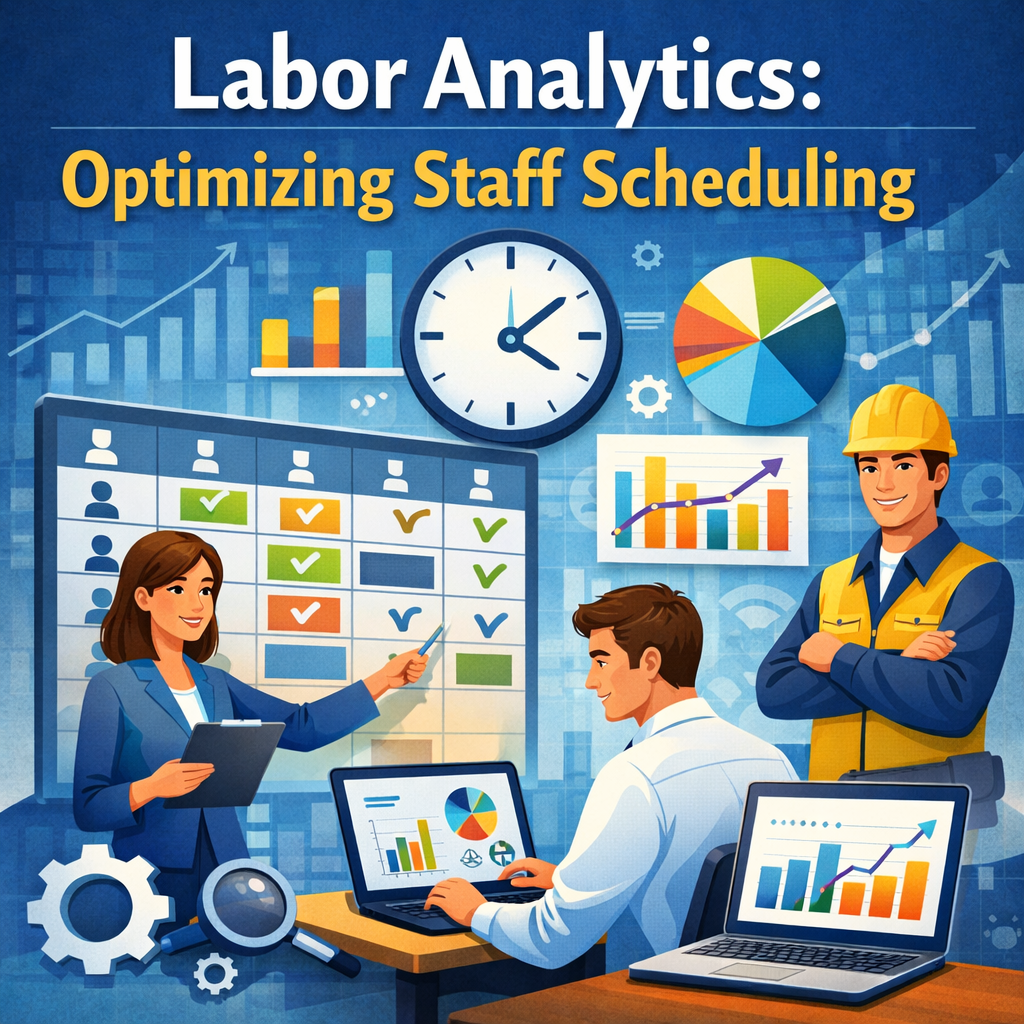
Not every shift requires the same number of hands on the floor or in the kitchen. Thoughtful staff scheduling optimization looks at historical sales and guest flow to determine when extra coverage is truly needed. Overstaffing during quiet hours quietly raises costs, while understaffing during peak times affects service quality. Aligning schedules with real demand creates a smoother rhythm throughout the week.
Clear insight also comes from regular labor cost analysis restaurant practices. Comparing payroll expenses with revenue helps reveal whether staffing levels are sustainable. A strong sales day can still feel disappointing if labor expenses absorb most of the income. Reviewing this balance consistently prevents surprises at the end of the month.
Understanding Individual and Team Performance
Beyond total hours worked, performance matters just as much. Looking at employee productivity metrics offers perspective on how effectively staff contribute during their shifts. This does not mean monitoring every movement, but rather understanding how tasks are completed and how service flows. Over time, patterns may show which shifts operate most efficiently and why.
Careful use of shift planning analytics helps identify where bottlenecks occur. For example, slower kitchen output during certain periods may relate to uneven task distribution rather than insufficient staffing. By studying these details, adjustments can be made without automatically adding more hours. Small refinements often improve both morale and operational flow.
Seeing the Bigger Workforce Picture
Staffing decisions rarely exist in isolation. Within broader restaurant workforce management, scheduling, training, and turnover all influence each other. High turnover may signal deeper issues that affect productivity and labor costs. Observing these connections helps avoid treating symptoms while ignoring underlying patterns.
When used thoughtfully, restaurant labor analytics becomes less about reducing hours and more about creating balance. It supports decisions that consider service quality, team well-being, and financial health together. Instead of reacting to daily pressures, managers gain a clearer sense of how staffing truly supports performance.
Smooth operations depend on more than filling shifts on a calendar. restaurant labor analytics connects time, productivity, and revenue into one understandable picture. By reviewing schedules, performance, and overall workforce trends together, restaurants can maintain steady service without letting costs quietly drift out of control.