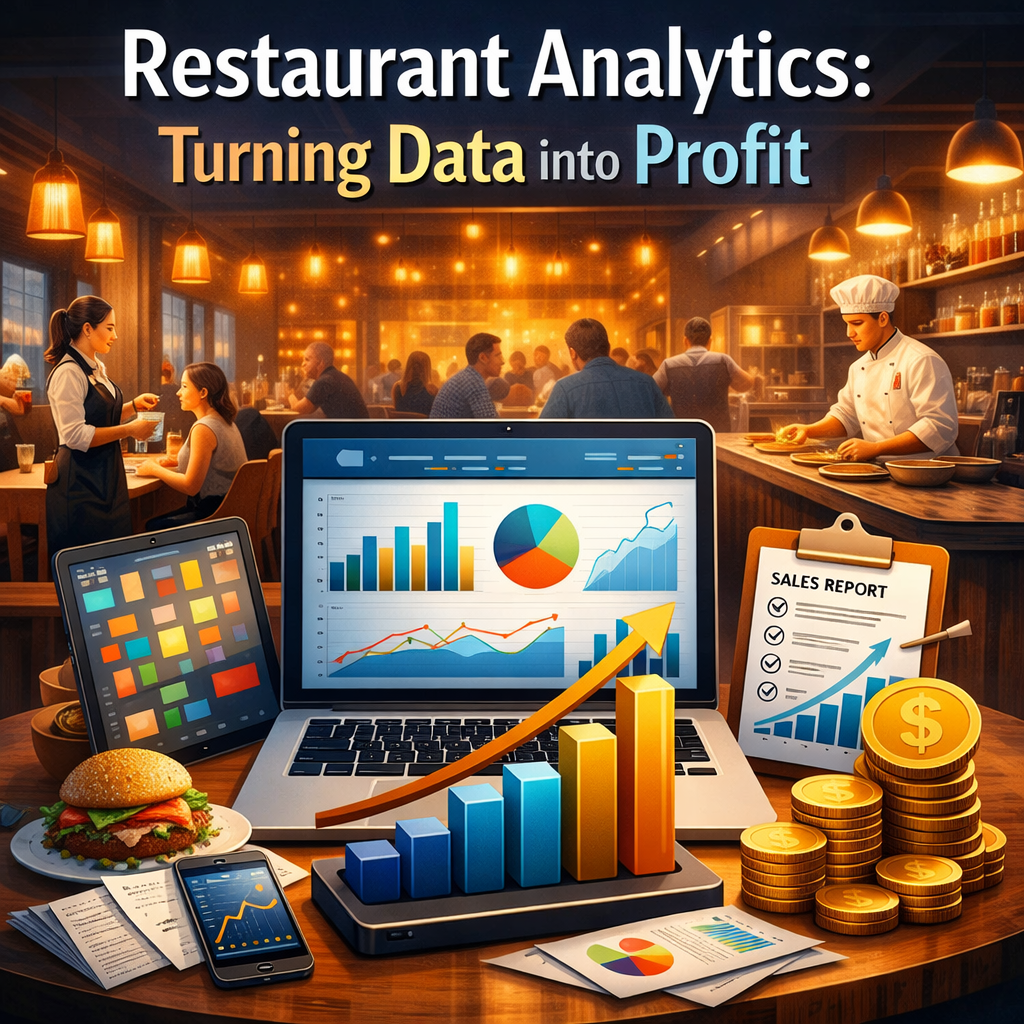
Understanding how a restaurant truly performs goes far beyond watching how full the tables are. restaurant analytics helps translate daily activity into clear insights about sales, costs, and customer behavior. When used thoughtfully, it turns scattered information into patterns that reveal what is working and what needs attention. Rather than relying on intuition alone, owners and managers can make grounded decisions based on real data.
Looking Beyond Daily Sales
Revenue on its own rarely tells the full story. Careful restaurant revenue analysis connects sales numbers with time of day, menu categories, and seasonal shifts. A busy Friday evening may look impressive, yet a closer look can show that certain high-effort dishes bring in little return compared to simpler items. By comparing sales trends week over week, patterns begin to appear, offering clues about staffing, pricing, and promotions.
Becoming a data driven restaurant does not require complicated systems. It starts with consistently reviewing basic figures and asking practical questions. Which hours produce the strongest returns? Which menu items consistently underperform? Over time, small observations build into a clearer operational picture that reduces guesswork.
Measuring What Actually Matters
Numbers can overwhelm when there are too many of them. Focusing on meaningful restaurant KPIs keeps attention on performance indicators that reflect both revenue and efficiency. Metrics such as average check size, table turnover, and labor cost percentage provide a balanced view of how well the dining room operates throughout the day.
Evaluating margins is equally essential. Regular profit margin analysis shows whether growth in sales truly translates into sustainable income. An increase in revenue may still result in weak margins if ingredient costs or staffing expenses quietly rise. When margins are monitored alongside sales, financial surprises become less likely and adjustments can be made earlier.
Turning Reports into Everyday Decisions
Collecting information is only useful if it leads to action. Modern restaurant reporting tools simplify the process by organizing data into clear visual summaries. Instead of scanning spreadsheets for hours, managers can quickly see patterns in inventory usage, sales spikes, or labor distribution. These insights make it easier to adjust purchasing, refine scheduling, or modify menu pricing without drastic changes.
Consistency plays a larger role than complexity. Even basic reporting, reviewed weekly, encourages better habits. Over time, regular review builds confidence in decision-making and reduces emotional reactions to short-term fluctuations. The goal is not to chase every minor shift but to recognize stable trends that influence long-term performance.
At its core, restaurant analytics is about clarity. It connects revenue, costs, and daily operations into a structured view that supports thoughtful decisions. When approached steadily and without overcomplication, data becomes less intimidating and far more practical. In a fast-moving industry, that steady understanding can make the difference between reacting to problems and anticipating them.